

Abrasives: The Unsung Heroes of Manufacturing
Abrasives, in their myriad forms, are the unsung heroes of modern manufacturing. Without them, the smooth surfaces of our smartphones, the aerodynamic curves of car bodies, and the precise dimensions of jet engine turbines would be impossible. This article delves into the world of abrasives as a collective class of materials, exploring their types, manufacturing processes, applications, and the economic impact they have on global industry. The term "abrasives" encompasses both natural and synthetic materials used for grinding, polishing, honing, lapping, and superfinishing. Their versatility stems from the ability to tailor their properties—hardness, grain size, shape, and bonding—to specific tasks, making them indispensable across sectors as diverse as aerospace, automotive, construction, and electronics.
The global abrasives market is vast, valued at tens of billions of dollars annually. It includes bonded abrasives (grinding wheels, segments, stones), coated abrasives (sandpaper, belts, discs), superabrasives (diamond and CBN products), and loose abrasives (powders, pastes). Each category serves distinct purposes. Bonded abrasives are rigid tools used on grinding machines for stock removal and precision sizing. Coated abrasives are flexible and used for hand sanding or power sanding on contoured surfaces. Superabrasives are reserved for the hardest materials and highest precision requirements. Loose abrasives are used in processes like lapping, where a slurry of abrasive particles between two surfaces produces an extremely flat, smooth finish.
The manufacturing of abrasives begins with raw materials. For aluminum oxide, bauxite ore is refined and then fused in electric arc furnaces at temperatures above 2000°C. The resulting ingots are crushed, graded by size, and treated to enhance properties like toughness or sharpness. Silicon carbide is produced by the Acheson process, heating a mixture of silica sand and petroleum coke in a resistance furnace. The crystals formed are then processed similarly. Diamond abrasives are either mined or synthesized under high pressure and high temperature (HPHT) or chemical vapor deposition (CVD). Each production method yields grains with specific characteristics that influence performance.
Grain size is a critical parameter in abrasives, defined by mesh number or micron rating. Coarse grains (low mesh numbers, e.g., 24 grit) remove material quickly but leave a rough surface. Fine grains (high mesh numbers, e.g., 1000 grit) remove material slowly but produce a smooth finish. The choice of grain size depends on the stage of processing: coarse for stock removal, medium for intermediate finishing, and fine for final polishing. Grain shape also matters; angular grains cut aggressively, while rounded grains produce a gentler abrading action suitable for cleaning or deburring without deep scratches.
Bonded abrasives use various bonding agents: vitrified (glass-like), resinoid (phenolic resin), rubber, shellac, and metal. Vitrified bonds are rigid and porous, allowing cool cutting and are used for precision grinding. Resinoid bonds are tougher and used for high-speed grinding and cut-off operations. Rubber bonds are flexible and used for polishing wheels. The bond must balance grain retention with self-sharpening—the ability to release dull grains and expose fresh ones. This balance is achieved through bond strength, porosity, and the use of fillers or grinding aids.
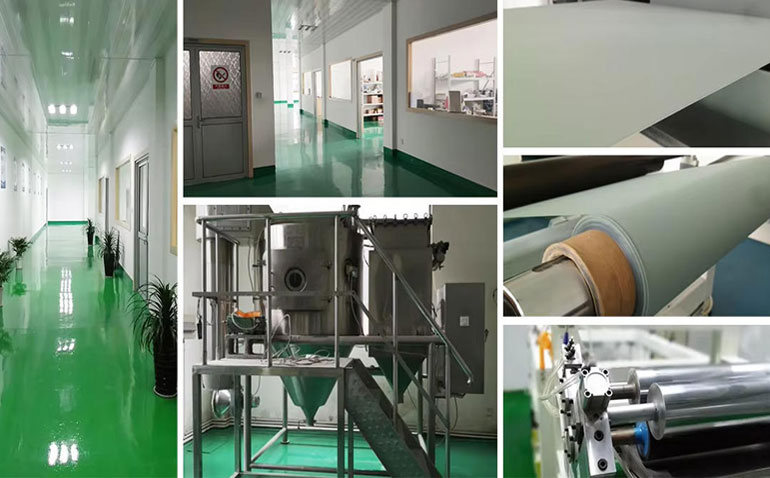
Coated abrasives, which include products like sandpaper and sanding belts, have a backing (paper, cloth, fiber, or film) coated with a layer of abrasive grains using adhesives (glue, resin). The make coat anchors the grains, and the size coat locks them in place. The flexibility of coated abrasives allows them to conform to curves and contours, making them ideal for woodworking, metal fabrication, and automotive bodywork. They are produced in sheets, rolls, discs, belts, and flap wheels, each designed for specific tools and applications.
The environmental and health aspects of abrasives cannot be overlooked. Abrasive dust, especially from sanding composites or treated woods, can be carcinogenic or cause respiratory diseases. Manufacturers are developing dust-reducing coatings and low-VOC adhesives to mitigate these risks. Recycling of abrasive waste is also gaining attention, with processes to recover abrasive grains from spent wheels or sludge. Furthermore, the push for sustainable manufacturing has led to the use of renewable backing materials and bio-based resins in coated abrasives.
In the realm of precision manufacturing, abrasives enable tolerances measured in microns. Honing stones, for example, use abrasive sticks to correct the geometry of engine cylinders, ensuring proper sealing and longevity. Lapping plates with loose abrasives produce optical flats with nanometer-level surface roughness. Superfinishing processes use fine abrasive films to create cross-hatch patterns on bearing surfaces, reducing friction and wear. These applications highlight the critical role of abrasives in achieving the high performance and reliability demanded by modern technology.
Economically, abrasives contribute significantly to productivity. A single grinding wheel can shape thousands of parts before needing replacement, and a roll of sandpaper can transform rough lumber into a silky-smooth tabletop. The cost of abrasives is a small fraction of the total manufacturing cost, yet their impact on quality and efficiency is immense. As industries adopt automation and advanced materials, abrasives are evolving too—with smart grinding wheels that monitor wear, and abrasive tools optimized for robotic finishing. The future of abrasives lies in nanotechnology, where engineered grains at the atomic scale promise unprecedented control over material removal and surface integrity.